Capacity planning vs project schedule: what is the difference?
A project schedule shows what should happen first and how long work packages take. A capacity plan shows who and what can actually do that work when accounting for leave, parallel jobs, and equipment limits. Healthy delivery needs both lenses.
This article clarifies the distinction with examples from site reality, and points to Resursplanen as a system where project timelines and human availability meet—so the gap between “planned” and “possible” is visible.
Two lenses on the same site
The Gantt chart answers precedence: pour concrete before walls close. Capacity answers staffing: you might have the sequence right and still lack two electricians that week.
Mixing both into one giant Gantt without resource curves often hides overload until the week arrives.
Leave, shifts, and partial availability
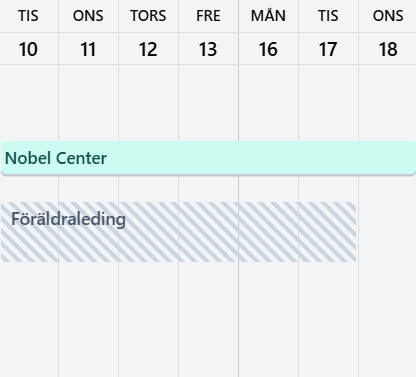
Parental leave, training, and part-time schedules change capacity without changing the task list. The screenshot with this guide shows why that matters: a person can appear on a project bar while a leave pattern makes them unavailable—if you only read the project strip, you misread capacity.
Good tools show leave and assignment together so planners do not double-book emotionally “available” people.
Where Resursplanen fits
Resursplanen emphasises availability and leave alongside assignments—aligned with Nordic labour patterns. Even if you use another HR system for leave, the planning layer must ingest those dates or you are capacity-blind.
The product’s positioning—personnel, projects, machines in one plan—is essentially a capacity narrative: not only what the project wants, but what the organisation can supply.
Practical reconciliation cadence
Weekly, compare top milestones against headcount and major equipment. Monthly, test whether sales promises fit historical utilisation. When the two drift, fix assumptions before you buy more capacity.
If reconciliation is painful, shrink the tool surface until it is honest. A smaller accurate plan beats a comprehensive fantasy.
Learn more: resursplanen.se